Earthquakes
Lae hosts PNG's first broadband seismic station to improve earthquake monitoring
The Mineral Resources Authority and the PNG University of Technology launched the country's first broadband seismic station in Lae on 18 November 2026.
By PNG Sun · · 2 min read
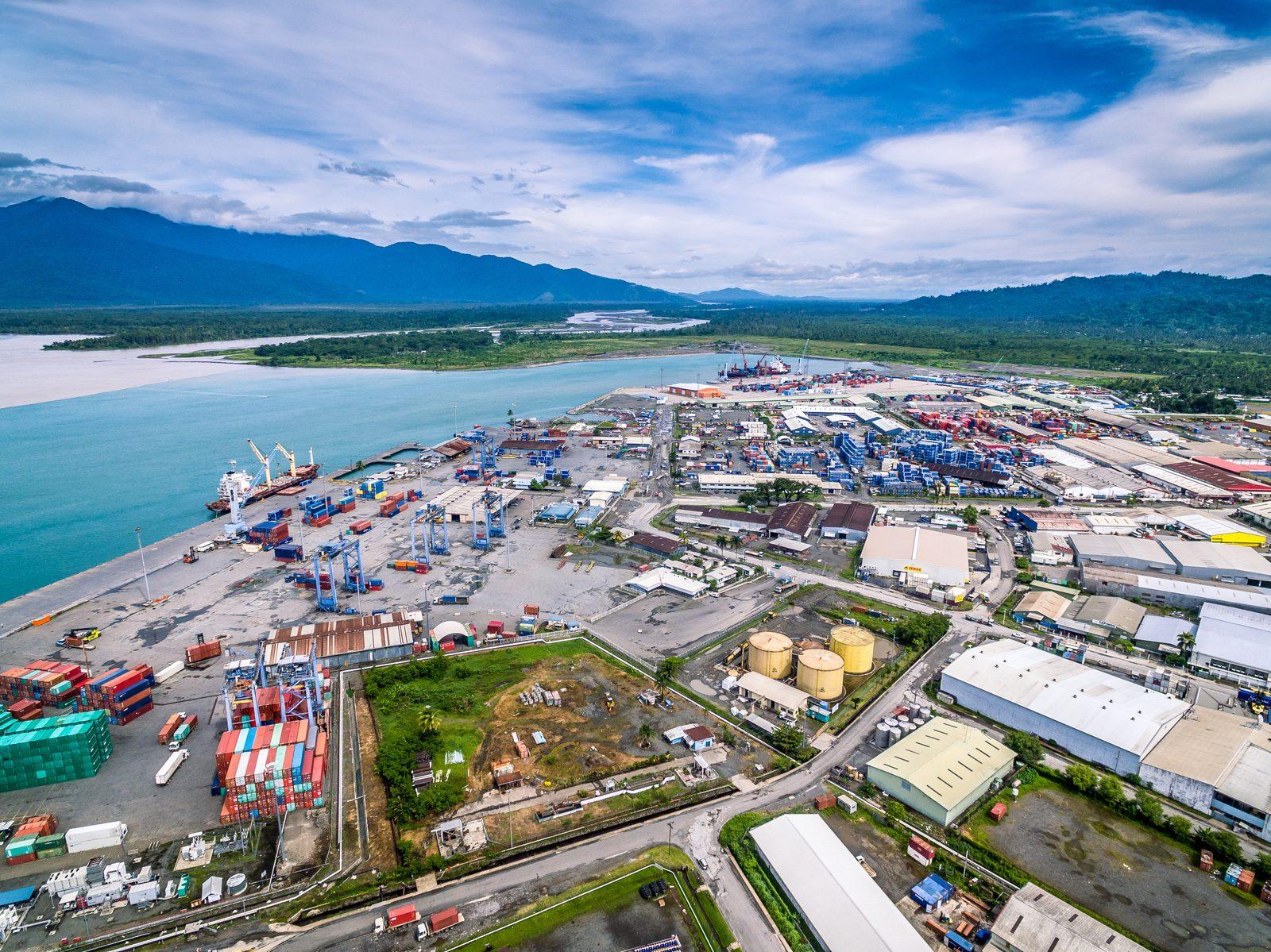
Papua New Guinea's first broadband seismic station was launched in Lae on 18 November 2026 by the Mineral Resources Authority (MRA) and the PNG University of Technology (Unitech).
The two bodies also signed a memorandum of agreement on running and maintaining the facility. Under it, the university and the Port Moresby Geophysical Observatory will share upkeep and operations so that seismic data continues to be collected.
The station sits in a bunker behind Unitech's School of Applied Physics. It is the first broadband station to join the National Seismic Network, which the observatory runs within the MRA's Geohazards Management Division.
MRA Acting Managing Director Harry Kore said the station would make seismic data more reliable and accurate. "Reliable seismic information is essential for understanding earthquake activity and improving disaster preparedness," he said.
The station will also measure peak ground acceleration, which shows how strongly the ground shakes in an earthquake. Engineers can use this to design buildings and infrastructure to earthquake safety standards. The data is expected to be shared with Pacific partners for regional earthquake and tsunami monitoring.
The project involves the MRA, Unitech, Geoscience Australia and the Secretariat of the Pacific Community. It is part of the Building Safety and Resilience in the Pacific project, which the European Union funds.
Unitech Acting Vice-Chancellor Professor Garry Sali said the station would give the university data for teaching, research and practical training.
University departments, among them applied physics, civil engineering, and surveying and land studies, are to be involved in research linked to the station.
Professor Sali also announced plans for a proposed Geohazard Community Education Centre in Lae. It would help the public, including schoolchildren, learn about earthquakes, the risks they pose and how to prepare, he said. "People need to know what's happening when the earthquake comes," he said.
He said Unitech's Community Foundation would support the initiative by linking the university with government, industry, international partners and communities, and would provide secretariat support for the proposed centre.