Drought
Drought pushes New Ireland communities to an ocean facing pollution and seabed mining
New Ireland has had six months without rain. Two writers say coastal communities relying on the sea face toxic water on the east coast and deep-sea mining plans on the west.
By PNG Sun · · 2 min read
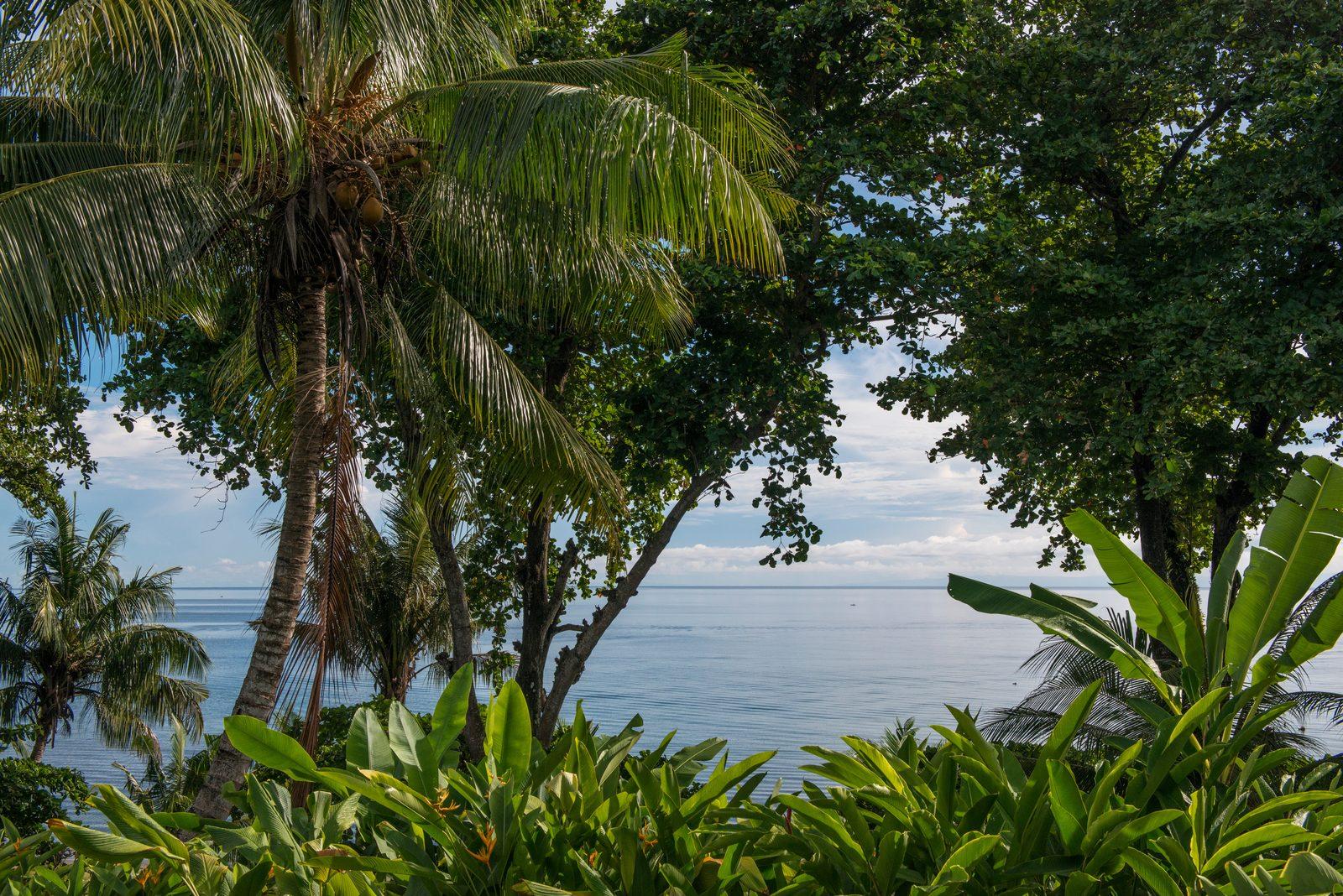
New Ireland Province has gone six months without rain. Coastal communities are turning to the sea for food, income and washing water, even as the ocean faces threats of its own, according to two writers on the province.
The drought is linked to an El Niño. Water tanks are empty, forest fires have left a haze over the island and school days have been cut short. The province is under a state of emergency, and a food relief programme is under way. At national level, the government has classed the drought as a humanitarian emergency, and Australia is among the donors that have put forward relief packages.
Severe conditions are expected to last until the first quarter of 2027.
The writers are Philippa Louey, a senior research associate at Lancaster University, and Godrey Jordan Abage, a community activist from Kono village who is Secretary of the Wokisok Association. They say east coast waters remain affected by pollution first noticed in December 2025. Dead and sick marine life washed ashore, and hundreds of people reported rashes, skin welts and itching after contact with seawater.
In January, provincial authorities declared Kafkaf, a village near Kavieng, an environmental hazard and contamination zone. Residents were advised not to sell or eat seafood.
A preliminary report released in April by the Conservation and Environment Protection Authority pointed to several possible causes. These were nutrient pollution from land, unusual water chemistry from reef vents and possible bacterial contamination. The report named runoff from land-based industries, "particularly palm oil plantations", as a likely contributor. Its findings are unconfirmed, and residents are still waiting for a final report.
On the west coast, the writers say the concern is deep-sea mining. A ten-year moratorium was announced in 2019, but they say mining contractors have been back in the Bismarck Sea since 2024. The most prominent is Deep Sea Mining Finance, which acquired Nautilus Minerals' licences, including the Solwara 1 site.
The writers say government agencies have tried to block the release of documents on the site, including its environmental permit. That obstruction was ruled unconstitutional in 2023, and the Supreme Court upheld the ruling in September.
Sharkcallers from the Wokisok Association have warned that mining could damage the ocean their communities rely on during drought.