Agriculture
EU-STREIT PNG programme nears close after reaching over half a million Sepik people
More than half a million people in East Sepik and West Sepik have been reached by the European Union's EU-STREIT PNG programme, which ends in December 2026.
By PNG Sun · · 2 min read
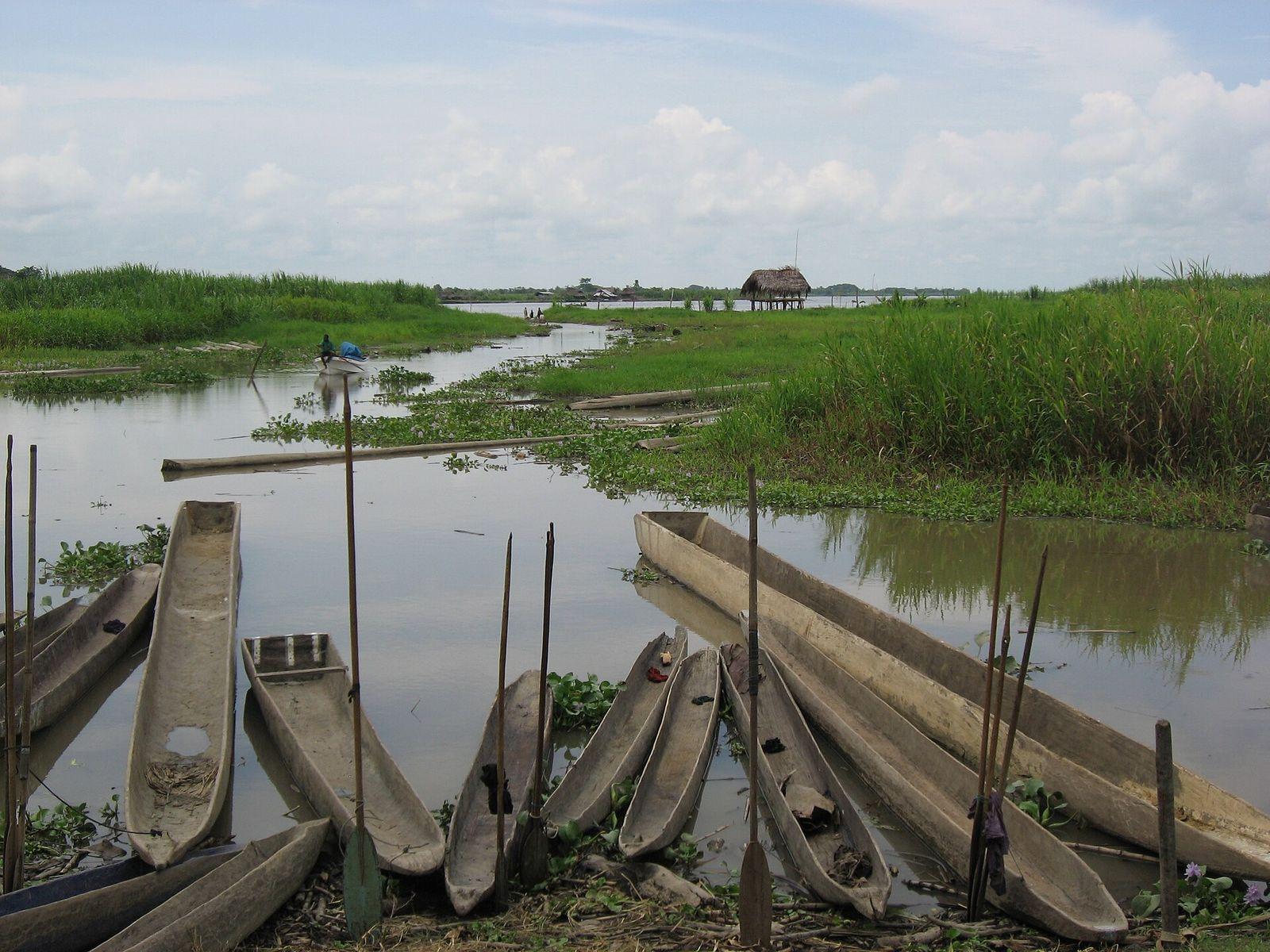
More than half a million people in East Sepik and West Sepik have been reached over six years by EU-STREIT PNG, a programme paid for by the European Union. Partners heard the figure at a meeting in Port Moresby to mark its close. The programme finishes at the end of December 2026.
It started in January 2020 and has worked with farmers and small businesses in cocoa, vanilla and fisheries. Its help has included training, infrastructure, financial services and better links to markets.
Dr Rabi Rasaily, the Acting Programme Coordinator, told the gathering that upwards of 34,000 farmers had gone through training. He said roughly 700 agribusinesses had been created or strengthened. The programme credits itself with over 26,000 full-time jobs and says more than 85,500 families have benefited.
With its help, upwards of 119,500 bank accounts were opened, 53 per cent of them held by women. It rehabilitated over 500 kilometres of rural road and five airstrips, set up 21 digital resource centres, and brought solar power to 60 schools as well as three health facilities.
Cocoa growers were given over 3.8 million seedlings, and vanilla growers more than 771,000 vines. Those in fisheries got 330 boats and canoes, along with 30 solar freezers and upwards of 135,000 fingerlings.
Sepik cocoa is now sold in Australia, New Zealand, Singapore, the United Kingdom, Italy, China and the Philippines. Vanilla has found premium buyers in the Middle East, Europe and the United States.
Dr Rasaily said government agencies, provincial administrations and private partners would need to keep backing the work after the programme ends.
East Sepik Governor Allan Bird said the benefits had reached remote parts of his province. "My rural people now actually have income to support themselves even through this El Niño period," he said.
Michael Kumung, Deputy Secretary of the Department of National Planning and Monitoring, said the government could use the same approach for coffee, coconut and other commodities. "This programme has taught us a lot of lessons," he said.
Stephanie Vadde, Deputy Head of Mission of the European Union in Papua New Guinea, pointed to the roads, airstrips and storage facilities, and to the business skills local entrepreneurs had gained.